
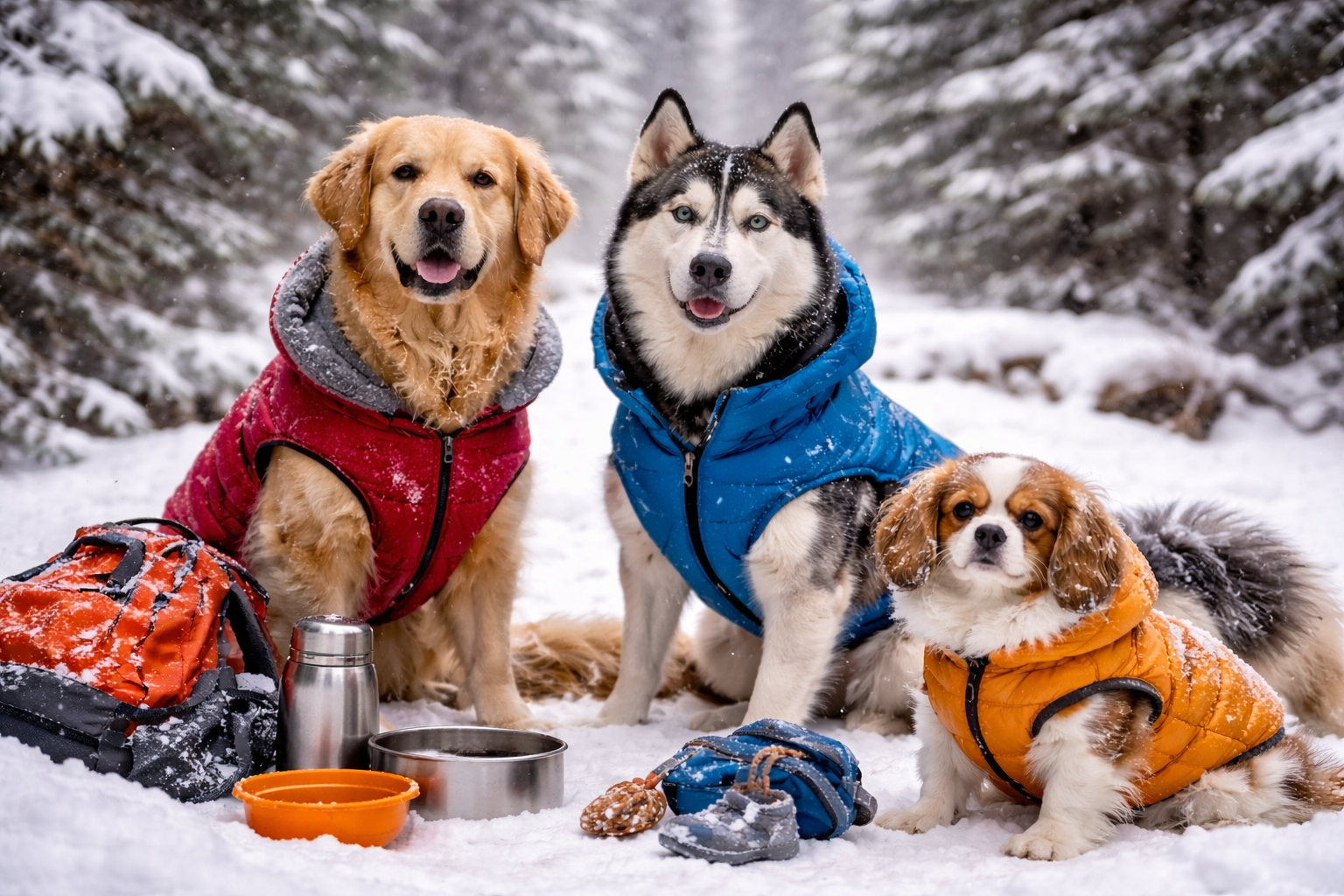
Winter Care for Pets: Keeping Dogs Healthy, Active, and Happy All Season
Key Takeaways
- Winter weather creates new health and safety challenges for dogs, especially in New England.
- Cold temperatures can impact paws, joints, skin, and energy levels.
- Mental and physical stimulation remain essential during winter months.
- Structured exercise programs help replace outdoor summer activities.
- Simple adjustments at home and during outings can make winter safer and more enjoyable for pets.
Winter in Connecticut brings snow, ice, and colder temperatures, but it doesn’t mean dogs should slow down or suffer through the season. Proper winter care for pets focuses on safety, comfort, and continued enrichment, even when outdoor routines change. At Alpha Dog Events & Adventures in Madison, CT, seasonal care is about adapting, not stopping, physical activity, mental stimulation, and social engagement. With the right approach, winter can be a healthy, happy time for dogs and their humans, filled with structured movement, bonding, and thoughtful care that supports overall well-being.
1. Understanding Winter Risks for Dogs
Cold weather affects dogs differently depending on breed, age, size, and health. While some dogs thrive in cooler temperatures, others are vulnerable to winter-related issues that can develop quickly without proper precautions.
Common winter risks include:
- Dry, cracked paw pads from ice, salt, and frozen ground
- Stiff joints and increased discomfort in senior dogs
- Dehydration due to reduced water intake
- Skin irritation from dry indoor air
- Reduced activity leading to pent-up energy and behavior issues
According to the American Veterinary Medical Association (AVMA), prolonged exposure to cold can increase the risk of hypothermia and frostbite, especially in small, short-coated, or older dogs. Monitoring outdoor time and adjusting routines is essential for winter safety.
Winter care starts with awareness, knowing when to limit exposure and when dogs need extra support.
2. Protecting Paws, Skin, and Joints
Paw care becomes especially important during the winter months. Ice, snow, and road salt can irritate sensitive pads and lead to cracking or infection.
Helpful winter care tips include:
- Rinse paws after walks to remove salt and chemicals
- Using pet-safe paw balm for moisture and protection
- Trimming fur between pads to prevent ice buildup
- Providing warm, dry resting areas indoors
Joint health also deserves attention. Cold temperatures can worsen stiffness, particularly for senior dogs or those with arthritis. Gentle warmups before activity and consistent, low-impact movement help keep joints flexible.
Alpha Dog’s structured winter programs emphasize controlled exercise, allowing dogs to stay active without overexertion, supporting mobility while minimizing strain.
3. The Importance of Mental & Physical Stimulation in Winter
When winter limits long walks and outdoor play, boredom can become a real issue. Dogs still need regular outlets for energy and mental engagement, even when daylight is shorter and the weather is unpredictable.
Without stimulation, dogs may develop:
- Restlessness or anxiety
- Destructive behaviors indoors
- Excessive barking or pacing
- Difficulty focusing during training
That’s why winter care for pets must include intentional enrichment. Structured programs, like Alpha Dog’s Fun Runs, Private Dog Park (PDP) sessions, and group activities, replace summer routines with safe, effective alternatives.
These programs:
- Provide high-value physical exercise in controlled environments
- Engage instinct-driven behaviors like chasing and problem-solving
- Support emotional balance and confidence
- Help maintain a healthy weight and conditioning
The American Kennel Club (AKC) emphasizes that mental exercise is just as important as physical activity, particularly during seasonal changes when routines shift. Dogs that stay mentally engaged are calmer, more adaptable, and easier to manage at home.
Winter doesn’t mean less activity, it means smarter activity.
4. Adjusting Routines Without Losing Consistency
Dogs thrive on routine, and winter disruptions can create confusion or stress if changes happen too abruptly. The goal is consistency, even if the format looks different.
Simple adjustments include:
- Shorter but more frequent outdoor outings
- Indoor training sessions or enrichment games
- Scheduled exercise sessions instead of weather-dependent walks
- Maintaining consistent feeding and rest times
Alpha Dog’s “Gym Membership for Dogs” model supports this approach by offering predictable, recurring opportunities for exercise and socialization throughout the colder months. Dogs know when and where activity happens, helping maintain structure and stability despite seasonal changes.
Consistency keeps dogs grounded and makes winter easier for everyone.
Looking Ahead: Winter Activities at Alpha Dog Acres
Alpha Dog is already planning ahead for future winters. Beginning in 2026, Alpha Dog will be introducing expanded outdoor winter activities at Alpha Dog Acres, the new permanent location in Madison, CT. These programs are being designed to safely support year-round movement, enrichment, and structured exercise, even in colder conditions.
As details develop, upcoming winter events, programs, and seasonal offerings will be shared through Alpha Dog’s blog and social media channels. Followers are encouraged to stay connected for updates, announcements, and early access opportunities. More information is coming soon. Stay tuned.
Winter care for pets goes beyond coats and paw wipes; it’s about meeting dogs’ physical, mental, and emotional needs when conditions change. With thoughtful adjustments, structured exercise, and proactive health care, dogs can thrive all winter long. Alpha Dog Events & Adventures continues to support dogs and their humans with programs designed to keep pups active, engaged, and balanced year-round. Winter may look different, but it can still be full of movement, connection, and tail wags when care is intentional, and enrichment remains a priority.
FAQs
How cold is too cold for dogs?
This depends on breed, size, and coat type. Small, senior, and short-haired dogs are more sensitive and may need limited outdoor exposure in freezing temperatures.
Do dogs need exercise in winter?
Yes. Dogs need consistent physical and mental stimulation year-round to prevent behavioral issues and maintain health.
How can dogs stay active when it’s cold outside?
Structured programs, short outdoor sessions, indoor enrichment, and controlled exercise like Fun Runs or private play sessions are ideal winter alternatives.
Is winter harder on older dogs?
Cold weather can increase joint stiffness and discomfort. Regular, gentle movement and warm resting areas help senior dogs stay comfortable.