
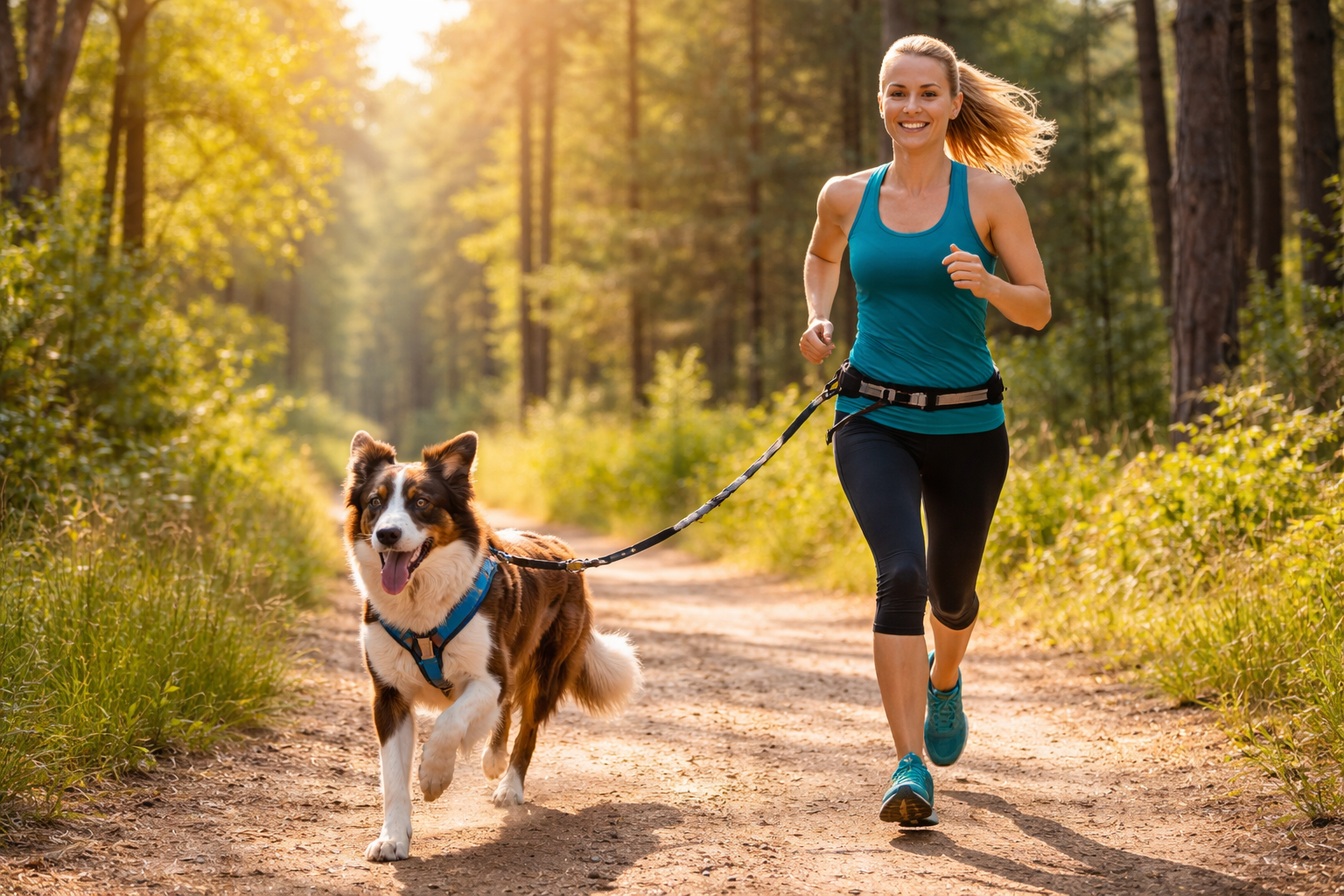
Running With a Dog Harness: How to Stay Safe, Comfortable, and Connected
Key Takeaways
- Running with a dog harness is safer and more comfortable than using a collar alone.
- The right harness improves control, reduces strain, and supports better running form.
- Not all dogs are built for long runs, fitness, breed, and age matter.
- Structured exercise programs help dogs build stamina and focus for running activities.
- Harness running pairs well with controlled, high-energy outlets like Alpha Dog’s Fun Runs.
For active dog owners, running with a dog harness can be a rewarding way to exercise together while strengthening focus and teamwork. Unlike collars, a properly fitted harness distributes pressure across the chest and shoulders, offering better control and reducing the risk of injury. Whether training for short jogs or building endurance over time, the right setup makes all the difference. At Alpha Dog Events & Adventures, structured movement and safe equipment choices are central to helping dogs stay healthy, confident, and balanced. Running can be a great addition to a dog’s routine when it’s done thoughtfully and with the right support.
1. Why a Harness Matters When Running With Your Dog
Using a harness instead of a collar is one of the most important safety decisions when running with a dog. Collars concentrate pressure on the neck, which can strain the trachea, spine, and throat, especially when dogs pull or change direction suddenly.
A well-designed running harness:
- Distributes force across the chest and shoulders
- Allows natural movement without restricting stride
- Improves handler control during starts, stops, and turns
- Reduces the risk of choking or neck injury
According to the American Kennel Club, harnesses are particularly beneficial for active dogs and those participating in high-movement activities, as they support better biomechanics and reduce injury risk (AKC). For running scenarios, this support is essential—not just for comfort, but for long-term joint and muscle health.
2. Choosing the Right Dog Harness for Running
Not all harnesses are designed for running. Selecting the right one ensures comfort, safety, and better communication between dog and handler.
Key features to look for include:
- Front or back leash attachment for directional control
- Adjustable straps for a secure, custom fit
- Padded chest and belly panels to prevent chafing
- Breathable materials for temperature regulation
- Reflective elements for visibility in low light
The harness should allow full shoulder movement without rubbing or shifting during motion. A poor fit can cause discomfort, skin irritation, or altered gait, issues that often manifest during repetitive movements, such as running.
Before committing to longer runs, dogs should wear the harness during walks or short training sessions to ensure comfort and proper fit.
3. Is Your Dog Ready to Run?
Not every dog is a natural runner, and readiness depends on more than enthusiasm. Age, breed, health, and conditioning all play a role.
Dogs best suited for running typically:
- Are fully grown (usually over 12–18 months, depending on breed)
- Have no joint, heart, or respiratory issues
- Show good leash manners and responsiveness
- Have built baseline fitness through regular exercise
Breeds with shorter legs or flat faces may require modified activity, while high-energy or working breeds often thrive with structured running routines. Starting slow and gradually increasing distance helps prevent injury and burnout.
Alpha Dog’s structured exercise programs help build this foundation by improving stamina, focus, and impulse control, key traits for successful running partnerships.
4. Training Tips for Running With a Dog Harness
Running with a dog is as much about training as fitness. Dogs need to learn pacing, positioning, and focus to make runs enjoyable and safe.
Helpful training strategies include:
- Teaching a consistent side position (left or right)
- Using verbal cues for speed changes and stops
- Rewarding calm starts instead of explosive lunges
- Keeping early runs short and positive
Structured, high-energy outlets, such as Alpha Dog’s Fun Run Corral, support this training by providing dogs with a controlled environment to burn excess energy. Dogs that regularly engage in focused sprinting and chase-based exercise often show better leash behavior and improved self-regulation during runs.
In addition, Private Dog Park (PDP) sessions allow dogs to practice movement and recall without distractions, reinforcing confidence and responsiveness. These programs act as a “gym membership for dogs,” supporting overall fitness while complementing running routines.
Try Running With Your Dog at Alpha Dog Acres
For those interested in trying out running or riding with a dog on a harness, Alpha Dog Acres, the new Alpha Dog location, offers acres of flat terrain and walking trails, along with hundreds of feet of asphalt paddock, ideal for testing this activity in a private, spacious setting. This allows dogs and handlers to explore harness-based running without the concerns that come with public roads or crowded parks.
Alpha Dog Acres is a private dog park facility open to the public, created to help every four-legged companion live their best life through safe, structured movement and enrichment. Conveniently located one mile north of Exit 61 off I-95 on Route 79/Durham Road, appointments will be available starting early February 2026.
Learn more about these services
Running with a dog harness can be a safe, effective, and deeply rewarding activity when approached with the right preparation. Proper equipment, gradual conditioning, and consistent training help dogs move comfortably and confidently alongside their humans. Combined with structured exercise programs, running becomes part of a balanced routine that supports both physical health and mental focus. Alpha Dog Events & Adventures continues to provide programs that prepare dogs for active lifestyles, on the trail, on the run, or in the Fun Run Corral. For guidance on programs that support active dogs, contact us directly.
FAQs
Is a harness better than a collar for running with a dog?
Yes. Harnesses reduce strain on the neck and provide better control during movement, making them safer for running.
How far can I run with my dog?
Distance depends on breed, age, conditioning, and weather. Start short and build gradually while monitoring for fatigue.
Can puppies run with a harness?
Puppies should avoid sustained running until growth plates close. Short, controlled movement is safer until full maturity.
How do Alpha Dog programs support running dogs?
Programs like Fun Runs and PDP sessions build stamina, focus, and confidence—key elements for dogs that run regularly.